
Crafting immersive and believable worlds is a cornerstone of compelling storytelling. Whether you’re delving into the annals of history, conjuring fantastical realms, or designing futuristic worlds, thorough research is essential to ground your narrative and captivate readers.
This quick guide for writers explores tailored world-building research strategies for a range of genres, including historical fiction, fantasy, and science fiction. Far from a comprehensive list – these are starting points for you to go off and start building convincing fictional worlds across short stories, novels, scripts, and poetry.
Let’s go travelling…
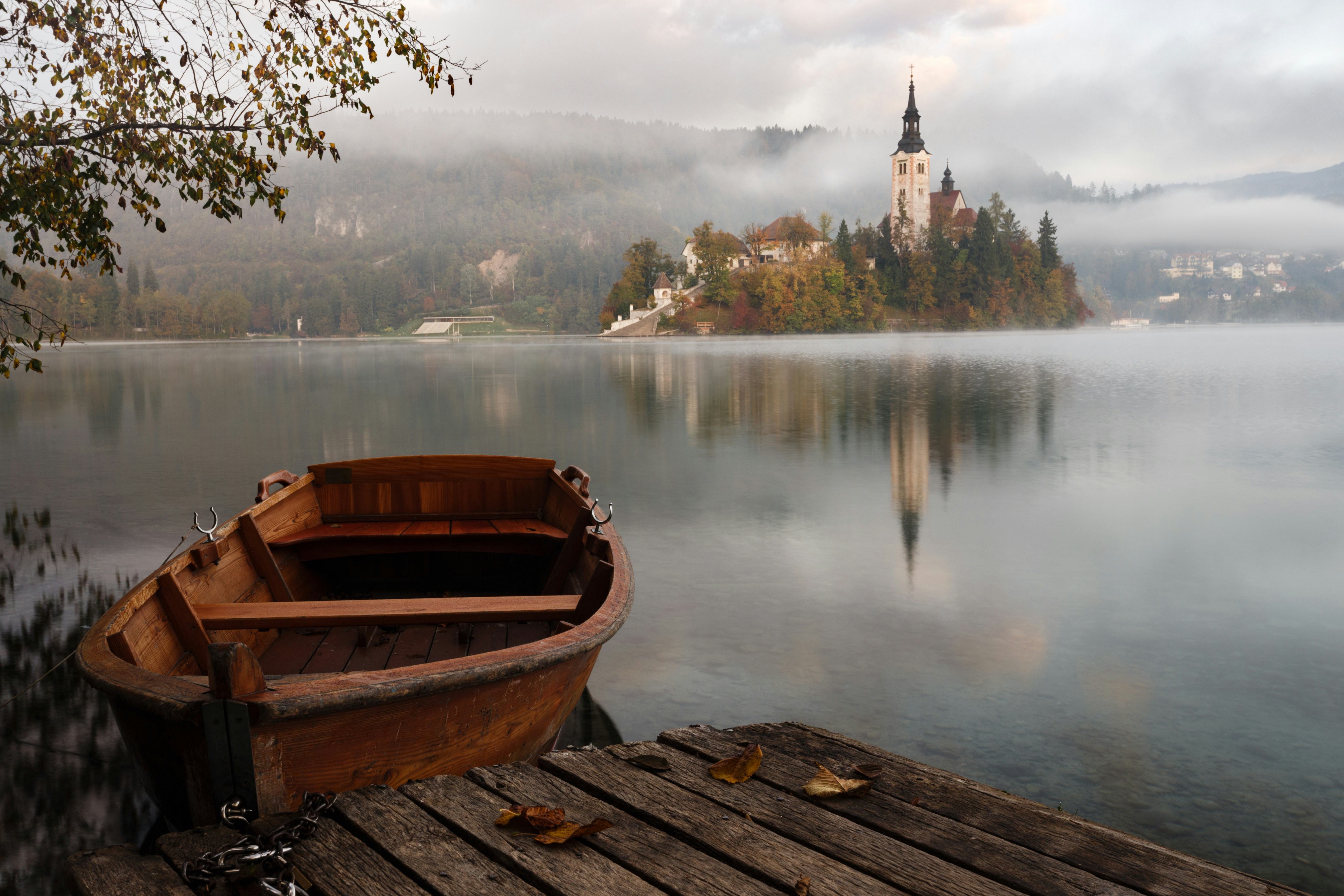
Historical fiction: unearthing authenticity
In historical fiction, the past is both setting and character. How authentic if feels hinges on meticulous research to accurately depict the era’s social norms, language, attire, and daily life.
It’s one reason that I haven’t delved into historical fiction (yet, anyway…). It’s a huge task to get it all right!
One place to start is at a primary source. In this case, a local museum, heritage site, or archive. Lean in close to objects on display, make notes about the fabrics, the textures, the shapes and dimensions. Using these little details in your work will help to make your historical setting more authentic. Engage as much as you can with documents from the period you’re depicting, whether it be letters, diaries, newspapers, and official records—to gain first-hand insights into speech patterns, opinions, and bias. Talk to the staff, ask questions.
After that, secondary historical sources are your friend. Consult scholarly analyses and historical overviews to contextualize events and cultural nuances.
And then, when you’ve exhausted the real assets around you, turn to fiction. Immerse yourself in other stories set in your historical timeframe. Visual references can be just as helpful – so examine photographs, paintings, and films to visualize settings and fashion accurately.
Fantasy: constructing the unfamiliar
Fantasy writing grants the freedom to create entirely new worlds, but these realms must still be consistent enough to remain believable. Even fantasy worlds need rules, laws, and structures.
Research in fantasy focuses on developing coherent systems of magic, societies, and geographies. Map out clear rules and laws around:
- The landscape
If you can, draw out a map of the area. Plot where things are in relation to each other, such as homes, farms, churches, schools, and more. Use physical maps or Google Earth to see how towns sprawl outwards, and base your designs on those.
- The history of the world
Create a rough history of the world or society. This will help to explain the cultural set-up and societal structure of your fantastical realm.
- Mythology and folklore
Study various cultures’ myths to inspire original yet resonant elements in your world.
- Anthropology and sociology
Understanding human societies aids in crafting realistic social structures and customs. How similar is their way of life to our own? Do they worship anything? Do they go to school, or work? Do they even follow a 24 hour day, or 7 day week? Mapping this out early and sticking to it means less of a headache later when you do your continuity edit.
Science fiction: projecting possibilities
Science fiction explores the consequences of scientific advancements and futuristic scenarios And while fantasy fiction can be unrealistic, it’s not unreasonable to say that science fiction has to be credible.
Doing research into the scientific area that your story explores ensures that the speculative elements are grounded in plausible science.
One easy and accessible place to start (and I’ve used it lots of times), is the National Geographic and New Scientist websites. Sites like these – or the printed magazines, if you can manage it – showcase the world’s wonders and mankind’s most incredible endeavours in the most palatable way. I’ve based so many poems on topics I’ve discovered this way.
Another method of researching your futuristic world is by exploring scientific journals and articles. This is a valuable way to stay abreast of current research in physics, biology, and technology. Sites like The Conversation, and relevant University research news blogs can inform about the most cutting-edge discoveries and inventions.
There’s a world of futurism studies out there. Go down a rabbit hole, and explore a whole range of (often terrifying) predictions and models about future societal and technological trends.
The art of immersive world-building
Effective world-building is a harmonious blend of imagination and informed detail.
And that’s not forgetting (ironically), the need for a good memory. Or at least, incredibly meticulous records.
So try not to be overwhelmed. By conducting thorough research tailored to your genre, you will create settings that resonate with authenticity and depth. Leveraging the resources and strategies outlined above will enhance the believability of your narrative, drawing readers into the worlds you’ve meticulously crafted.
 Caroline Hardaker Author
One Comment Add yours