What is a commonplace book?
A commonplace book is a place to record, keep, and organise all the things you love from everything and everywhere you go. This could include quotes, stories, ideas, recipes, menus, sketches, doodles, diagrams… In fact, anything that inspires you. It’s a place for knowledge-making, and can help you to process, understand, and memorize anything that’s meaningful to you.
A commonplace book is a place in which to gather happiness. Everything recorded in it should be a little hit of joy, and as you go about your days in the world, it’d be the receptacle in which you gather and collect snippets from life. Treat it like a spare brain, in which you can record beauty and ideas forever, while your ‘first brain’ focuses on living.
Imagine you’re not a human at all, and instead a benevolent alien masquerading as a regular person. Imagine the joys in everyday things. The colour of the sky. The shape of the clouds. The wonderful poetry in song lyrics. The things people say to you that stick. These are the words and pictures to collect in your commonplace book.
I’ve carried my own commonplace book around with me for a good many years, in one form or another. It’s been a spare brain, a treasure chest in which to keep the delights I’ve hoarded.
What do you write in a commonplace book?
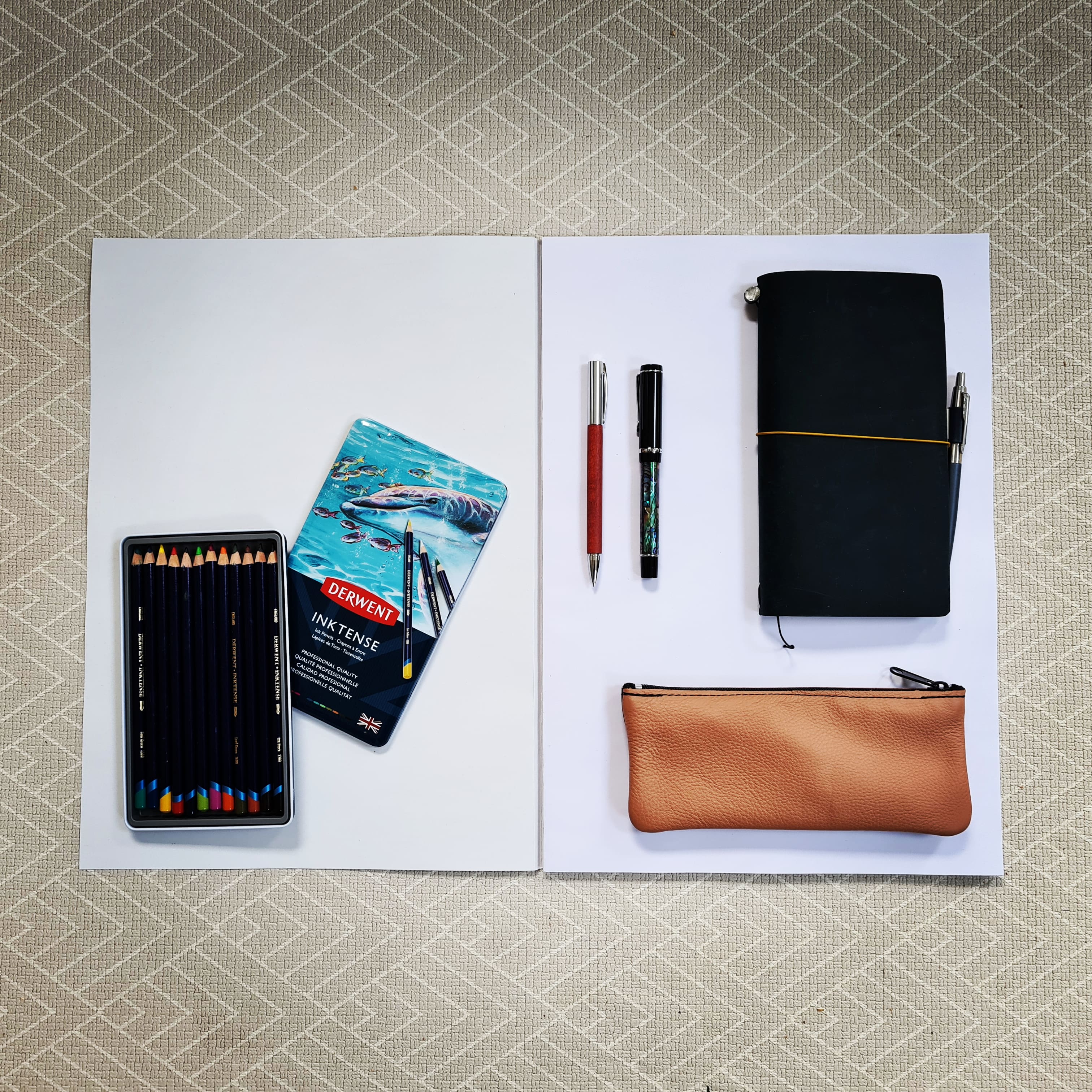
A commonplace book can contain almost anything you see in the world that inspires or brings you joy. From passages in books to drawings of scenes that make your eyes happy, it almost doesn’t matter what it is as long as it sparks something in you, and doesn’t require any further action. Poems, quotes, limericks, ideas, facts, reflections – literally anything that you find interesting.
A commonplace book isn’t a place to plan your life. It’s a scrapbook of treasures that encapsulate the changing you. There’s a great quote in The New York Times, which puts it like this:
“Commonplace books are like a diary without the risk of annoying yourself.”
The commonplace book is also an excellent tool for writers. It can be a place to record words, phrases, passages, and scenes that inspire. See it as a reference book that you can refer back to as you draft.
How to use a commonplace book
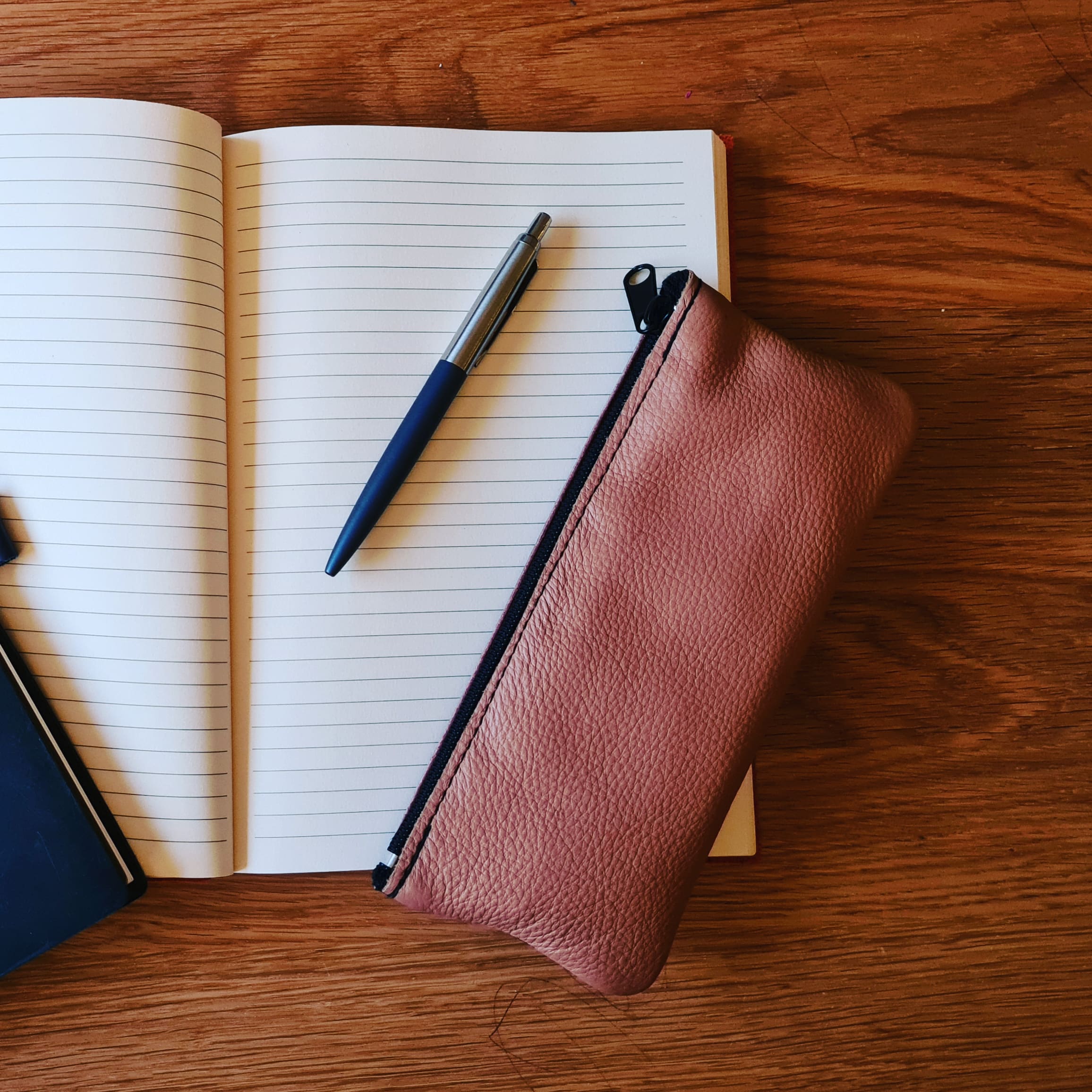
How you use a commonplace book is entirely up to you. There is as much or as little thought in it as you like. Some people divide it into sections for ideas, quotes, drawings, and whatever other boxes they like to store their thoughts in. Others just gather and record as they go, either writing on a page at random or just going from beginning to end, mixing up media.
Despite the fact that I’m a bit of a serial organiser – my commonplace book is probably the only place where my brain goes a bit wild. I use other planners to organise myself, and use my commonplace book more like a scrapbook for inspiration. In a way, the more chaotic and eclectic it looks, the more joy it brings me. It just goes to show that my inner chaos also needs a place to call its own!
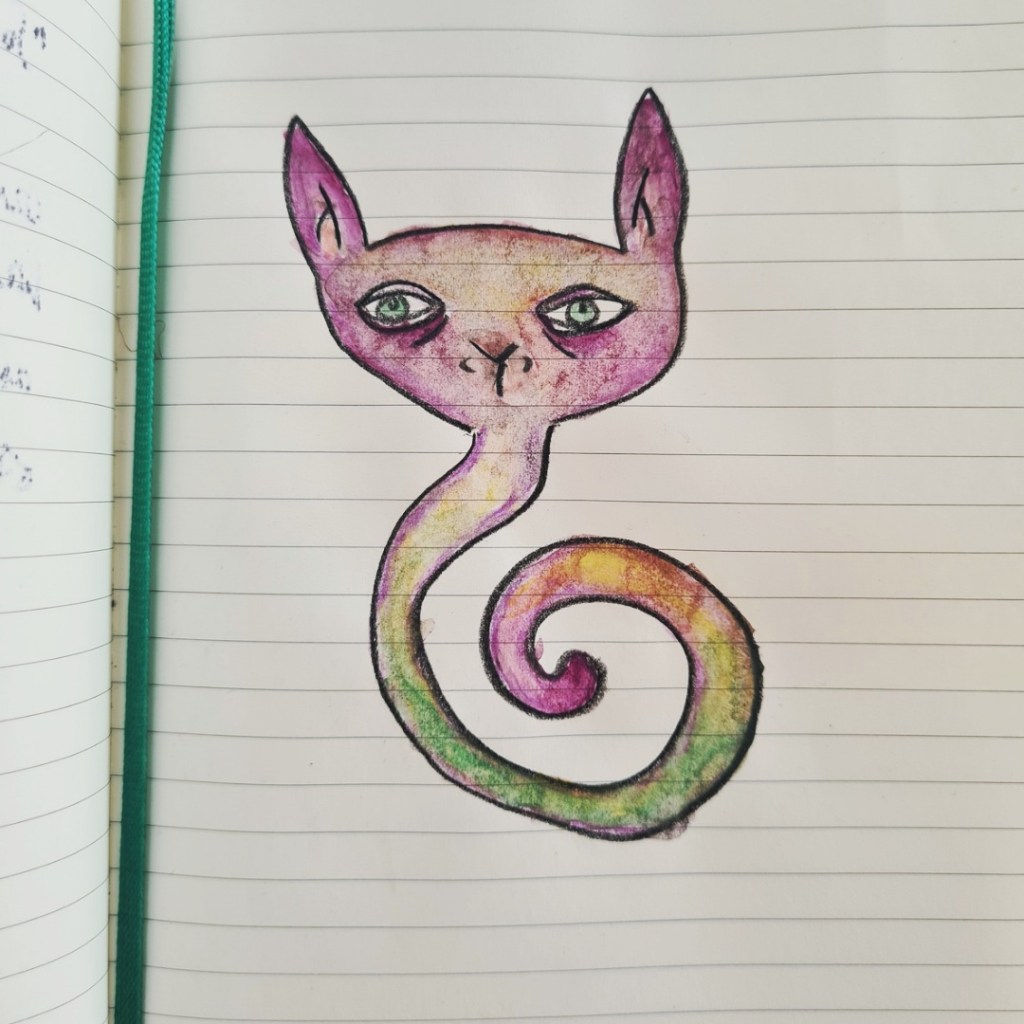
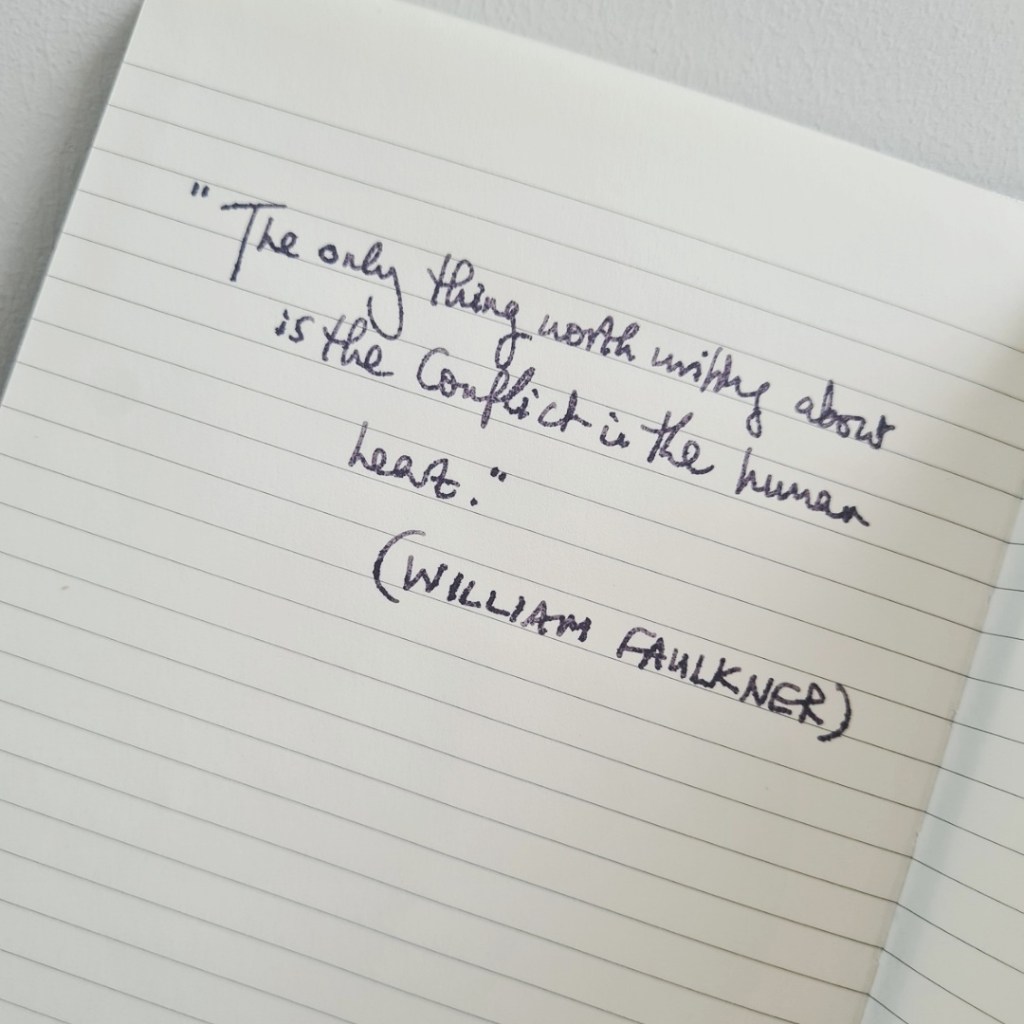
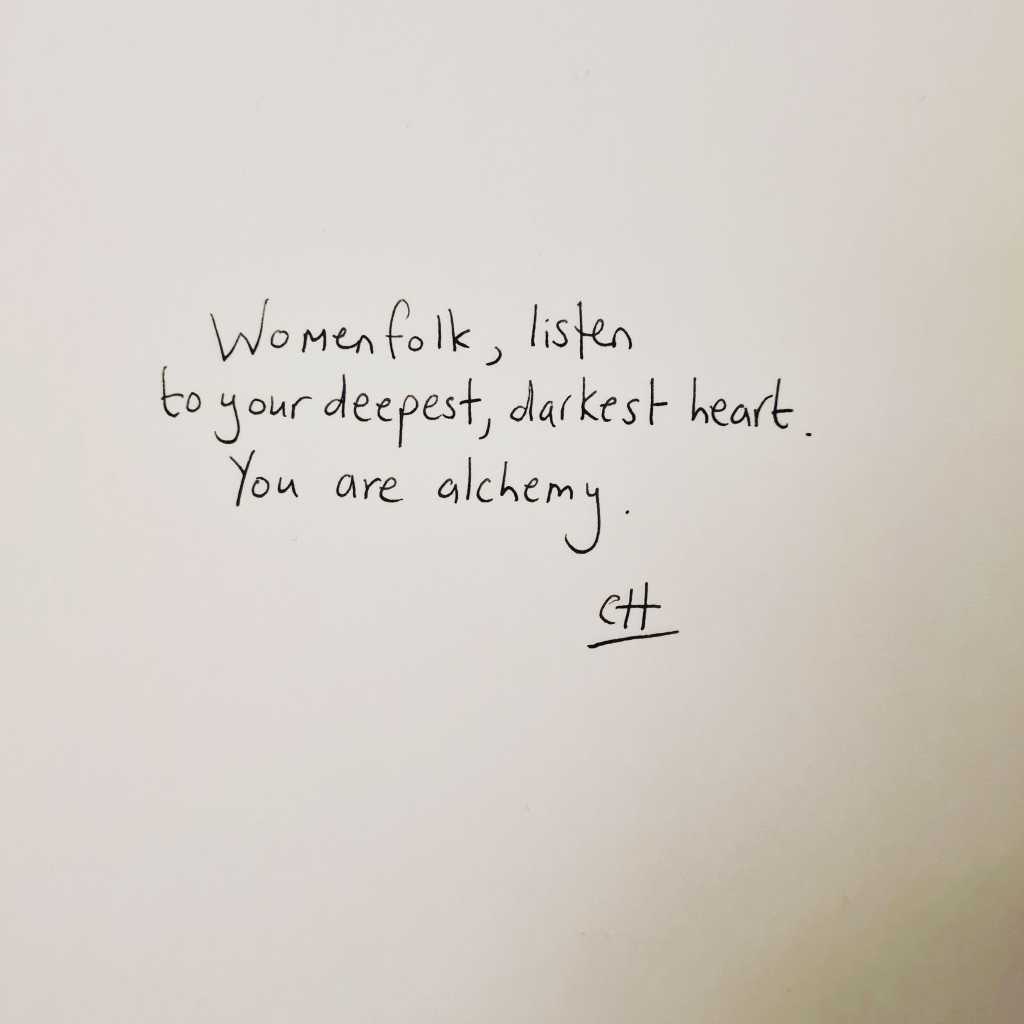
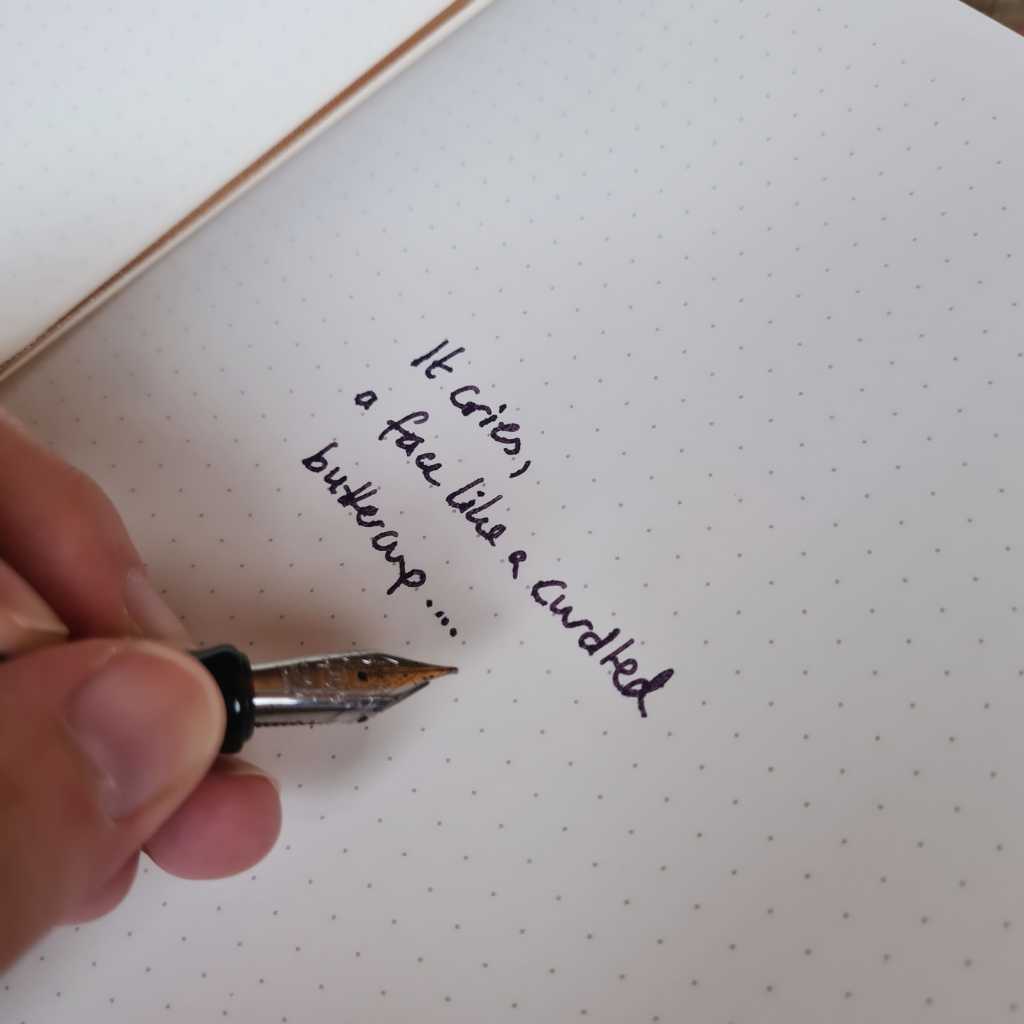
How do you divide a commonplace book?
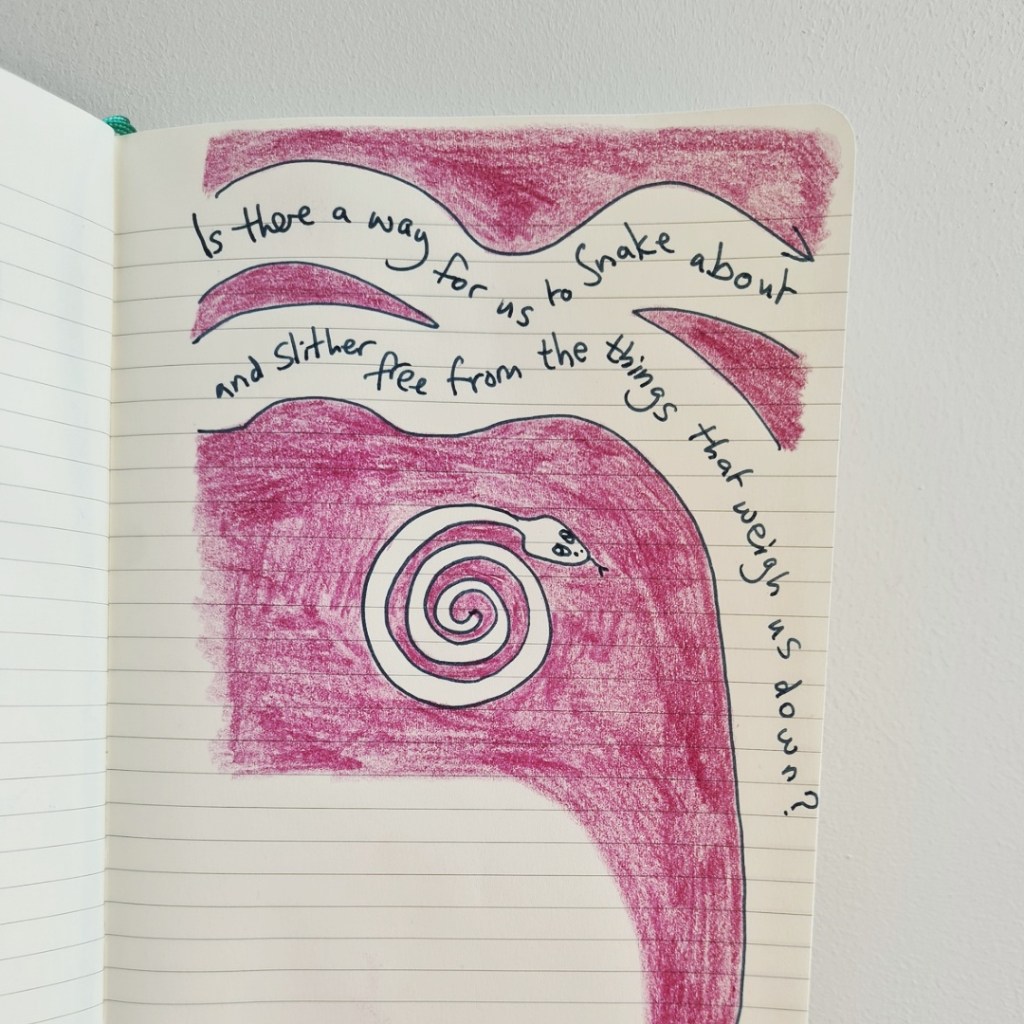
How you divide a commonplace book depends on how much you care about presentation. My own commonplace book is all over the place – quotes written at odd angles, random colours thrown in just because I feel like it. But if you want to make your commonplace book a more beautiful and ‘arranged’ place, you could split the book into sections with divider tabs, or use colour-coding to split up themes. Quotes can be divided with dotted lines or washi tape or whatever you like.
Your commonplace book is a reflection of you, so it needs to be what you need it to be.
What is the difference between a journal, diary, and a commonplace book?
A commonplace book is devoted to storing knowledge and inspiration. It can be kept as chaotic and loose as you like, packed with scattered quotes and doodles and colour. The primary focus of a diary or bullet journal is to plan your everyday life and activities. You might list tasks to complete, record appointment details. Things you have to do.
As John Locke writes:
“Commonplace books, it must be stressed, are not journals, which are chronological and introspective.”
Another difference is the regularity. Diaries and journals require patterns and routine, whereas commonplace books have no structure at all. You can spend all day capturing your treasures, but then not open it again for a week or two. It’s completely up to you. Zero pressure.
What famous people kept a commonplace book?
Famous people who’ve kept commonplace books include Leonardo Di Vinci, Virginia Woolf, Mark Twain, Francis Bacon, John D. Rockefeller, and more. But commonplace books have been used through history by a wide range of individuals. We all find joy and inspiration in things, whether we use them to create more art or not. So, though creative people may be more inclined to start a commonplace book, you don’t need to be a creative to keep a commonplace book at all.
Digital alternatives to keeping a commonplace book
Though the traditional method of keeping a commonplace book involves a real, physical book, there are other ways if you prefer to keep things digital, such as using:
- Your own discord, kept solely for you
- Pinterest boards
- Notes on your phone
- Your Google Drive, organised into folders
Are you interested in starting a commonplace book? If you’ve tried keeping a diary or journal in the past and it hasn’t quite worked for you, a commonplace book might be a good alternative that satisfies the urge to collect and scrapbook, but on a more flexible and no-pressure basis.
Have fun!
 Caroline Hardaker Author